
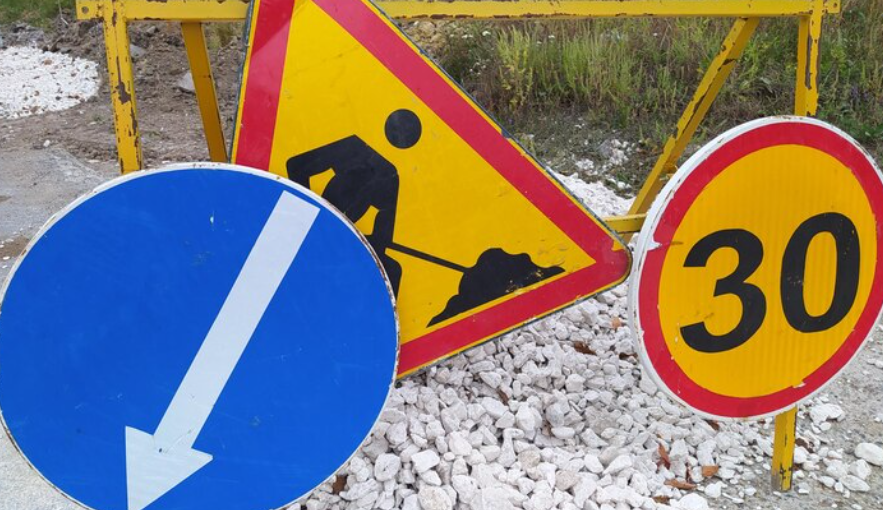
Construction sites are busy and often dangerous places. Workers face risks every day, from falling objects to heavy machinery. Ensuring safety on these sites is not just a legal responsibility but also a moral one. One of the most effective ways to protect everyone is by using safety signs. These signs provide clear warnings and instructions that can help prevent accidents before they happen. In this article, we will explore how safety signs can make your construction site safer and why they are essential for every project.
Clear Communication Through Safety Signs
One of the main purposes of safety signs is to communicate important information quickly. Workers on a construction site may come from different backgrounds and speak different languages. Safety signs use universally recognized symbols and colors to ensure everyone understands the message. For example, a red sign can indicate danger, while a yellow sign can warn of caution. This visual communication helps workers react immediately to potential hazards and avoid accidents.
Identifying Hazards
Safety signs play a crucial role in identifying hazards before they cause harm. Construction sites have many dangerous areas, such as open trenches, high platforms, or areas with heavy machinery. By placing safety signs near these hazards, workers are reminded to be cautious. For instance, a “Caution: Falling Objects” sign warns people to wear helmets, while a “Danger: High Voltage” sign alerts them to electrical risks. Identifying hazards clearly helps workers make safer choices.
Guiding Workers and Visitors
Construction sites are often visited by people who are not familiar with the area. Safety signs guide both workers and visitors through the site safely. Signs showing exit routes, first aid stations, and assembly points ensure that everyone knows where to go in case of an emergency. This guidance reduces confusion during accidents and helps prevent panic. Clear directions provided by safety signs can save lives in critical situations.
Reinforcing Safety Rules
Even experienced workers can forget safety rules when they are busy or stressed. Safety signs act as constant reminders of the rules that must be followed on the site. A “Wear Protective Gear” sign encourages workers to use helmets, gloves, and boots at all times. These reminders help maintain a culture of safety, making it less likely for accidents to occur due to negligence. Consistently following these rules ensures the well-being of everyone on site.
Reducing Legal and Financial Risks
Accidents on construction sites can lead to serious legal and financial consequences. By installing proper safety signs, companies demonstrate their commitment to safety. This not only protects workers but also helps reduce liability if an accident occurs. Insurance companies may also recognize well-marked sites as lower-risk, which can lead to lower premiums. Therefore, safety signs are not just a protective measure but also a practical investment in the site’s overall management.
Enhancing Overall Safety Culture
When safety signs are used effectively, they contribute to a stronger safety culture on the construction site. Workers learn to recognize potential dangers and take preventive action without needing constant supervision. Over time, this culture encourages everyone to look out for each other and prioritize safety above all else. A construction site that values safety becomes more productive, as fewer accidents mean less downtime and smoother operations.
Conclusion
Safety signs are an essential part of any construction site. They provide clear communication, identify hazards, guide workers and visitors, reinforce safety rules, reduce legal risks, and promote a culture of safety. By using safety signs effectively, construction companies can prevent accidents and protect everyone on site. Investing in proper signage is a simple but powerful step toward creating a safer, more efficient work environment. Ensuring that safety signs are visible, understandable, and strategically placed can make the difference between a safe site and one prone to accidents.