
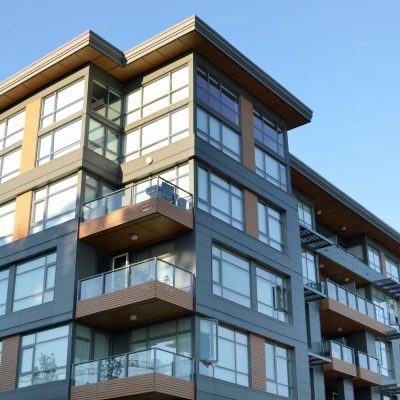
Community associations play an important role in maintaining neighbourhood standards, protecting property values, and creating attractive living environments for residents. As communities grow and resident expectations evolve, managing the day-to-day responsibilities of an association can become increasingly complex. HOA property management services have become an essential resource for many communities seeking professional support in handling operational, financial, administrative, and maintenance-related responsibilities.
While homeowners’ association boards are typically made up of dedicated volunteers who care deeply about their communities, the scope of responsibilities they face can be overwhelming. Balancing budgets, coordinating maintenance, enforcing community guidelines, communicating with residents, and ensuring legal compliance all require significant time and expertise. Professional management companies help address these challenges by providing specialised knowledge, established processes, and dedicated resources that support the effective operation of a community.
One of the most common challenges facing homeowners’ associations is maintaining consistent communication with residents. Communities often include individuals with different priorities, concerns, and expectations. Without clear communication channels, misunderstandings can arise, leading to frustration among residents and increased pressure on board members.
Professional property management services help streamline communication by implementing organised systems for announcements, maintenance updates, meeting notifications, policy changes, and resident inquiries. Having structured communication processes in place can improve transparency while ensuring that important information reaches residents in a timely manner. This often contributes to stronger relationships between boards and homeowners while reducing confusion and unnecessary disputes.
Another significant challenge involves managing community finances. Financial oversight is one of the most critical responsibilities within any homeowners’ association. Boards must develop budgets, collect assessments, monitor expenses, plan for future projects, and maintain adequate reserve funds. Errors in financial management can have serious consequences, potentially affecting the association’s ability to maintain common areas and meet its obligations.
Professional HOA property management companies often provide accounting support, financial reporting, budget preparation assistance, and assessment collection services. These resources help create greater financial visibility while supporting responsible decision-making. Accurate financial records and regular reporting also provide board members with the information they need to plan effectively for both current and future community needs.
Maintenance coordination is another area where many associations encounter difficulties. Common areas, landscaping, recreational facilities, lighting systems, walkways, parking areas, and building exteriors all require ongoing attention. Managing these responsibilities can quickly become time-consuming, particularly for volunteer board members who already have personal and professional commitments.
Property management professionals help coordinate maintenance schedules, oversee vendor relationships, track work completion, and respond to repair requests. Their experience often allows them to identify potential issues before they become major problems, helping communities avoid costly repairs and unexpected disruptions. By providing structured maintenance oversight, management companies contribute to the long-term appearance and functionality of shared community assets.
Vendor management presents additional challenges for many associations. Communities frequently rely on contractors and service providers for landscaping, cleaning, security, repairs, inspections, and various other services. Selecting reliable vendors, negotiating contracts, and monitoring performance requires both time and expertise.
Professional management companies typically maintain networks of qualified service providers and have experience evaluating contractor performance. Their familiarity with procurement processes can help associations secure competitive pricing while ensuring that work meets community standards. This expertise can save boards significant time while reducing the risks associated with poor vendor selection.
Rule enforcement is another area that often creates tension within homeowners’ associations. Community guidelines are established to promote consistency, preserve property values, and maintain the overall appearance of the neighbourhood. However, enforcing these rules can be challenging when board members are required to address violations involving neighbours and fellow residents.
Professional property managers can provide an objective and consistent approach to covenant enforcement. Rather than placing board members in uncomfortable situations, management companies help administer policies according to established procedures. This impartial approach often reduces conflict while ensuring that rules are applied fairly across the community.
Legal and regulatory compliance has become increasingly important for community associations. Governing documents, local regulations, insurance requirements, and evolving legislation can create a complex compliance environment. Volunteer boards may not always have the expertise necessary to navigate these requirements confidently.
Property management professionals often possess a strong understanding of association governance and compliance obligations. While they do not replace legal counsel, they can help boards remain organised, maintain required records, and follow established procedures. Their guidance can reduce the likelihood of administrative errors and help communities operate more effectively within applicable regulations.
Board member turnover represents another ongoing challenge for many associations. Since board positions are typically voluntary, leadership changes are inevitable. New board members may have limited experience with association operations, financial management, or governance responsibilities. Without proper support, transitions can disrupt continuity and create uncertainty.
Professional management companies provide institutional knowledge that remains consistent regardless of board turnover. Their involvement helps preserve operational stability while assisting new board members in understanding their responsibilities. This continuity can be particularly valuable in larger communities where the scope of management responsibilities is substantial.
Resident complaints and conflict resolution also demand considerable attention. Disagreements regarding parking, noise, maintenance responsibilities, architectural changes, or community policies can consume significant amounts of board time. Left unresolved, these disputes may negatively affect community relationships.
Property managers often serve as a central point of contact for resident concerns, helping facilitate communication and guide issues toward resolution. Their ability to address concerns professionally and consistently can reduce tensions while supporting a more positive community atmosphere.
Long-term planning presents another challenge that many associations struggle to manage effectively. While addressing immediate concerns is important, communities must also prepare for future capital projects, infrastructure improvements, and reserve funding needs. Focusing solely on short-term issues can leave associations unprepared for significant expenses later.
Professional management services help boards adopt a more strategic perspective by supporting reserve planning, maintenance forecasting, and long-term budgeting efforts. This proactive approach allows communities to anticipate future needs rather than reacting to problems after they occur.
Technology management has become increasingly relevant as residents expect convenient digital access to community information and services. Associations may need systems for online payments, maintenance requests, document storage, meeting notices, and resident communications. Implementing and maintaining these tools can be challenging for volunteer-led organisations.
Many management companies provide access to technology platforms that simplify administrative tasks while improving the resident experience. These systems help streamline operations and create greater convenience for both homeowners and board members.
As communities continue to evolve, the responsibilities placed on homeowners’ associations are becoming more demanding. Volunteer boards often face increasing expectations while balancing limited time and resources. Professional HOA property management services help address these challenges by providing expertise, structure, and operational support across a wide range of responsibilities.
From financial oversight and maintenance coordination to communication management and long-term planning, professional management companies play a valuable role in helping associations operate efficiently and effectively. By addressing common challenges proactively, they enable board members to focus on broader community goals while ensuring that essential day-to-day functions continue to run smoothly. For many communities, this partnership contributes to stronger operations, improved resident satisfaction, and a more sustainable path for future growth and success.