
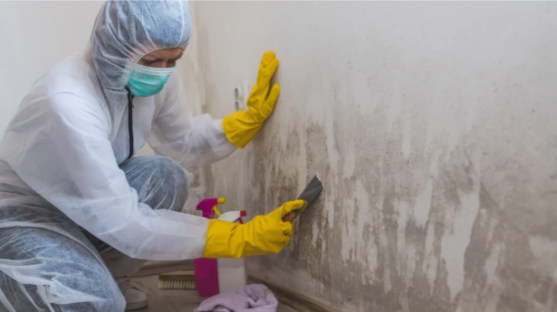
A comprehensive home maintenance plan is designed to protect a property’s value and ensure a safe living environment. While tasks like cleaning gutters and servicing the HVAC system are common, many homeowners overlook the critical need for proactive moisture control and fungal prevention. Ignoring early signs of water intrusion can lead to significant structural damage and health concerns. Integrating professional inspection and remediation into a maintenance schedule is a forward-thinking strategy to stop problems before they escalate. For proactive homeowners, scheduling periodic checks for mold removal in Lawrenceville, GA, can be a key part of this preventative approach.
Protecting Structural Integrity
One of the most destructive forces in a home is unchecked moisture. Wood, drywall, and other organic building materials act like a sponge, and when they remain damp, they become a prime food source for fungal colonies. As the growth feeds on these materials, it slowly breaks down their structural integrity. What starts as a small, hidden leak can eventually lead to rotted wooden beams, crumbling drywall, and weakened foundations.
By incorporating professional inspections into a regular maintenance routine, homeowners can catch these issues early. Experts are trained to identify subtle signs of water intrusion that might go unnoticed by the untrained eye. Addressing these moisture problems promptly and removing any resulting growth prevents long-term decay, saving homeowners from expensive and extensive structural repairs down the road.
Safeguarding Indoor Air Quality
The health of a home’s occupants is directly linked to the quality of the air they breathe. When mold is present, it releases microscopic spores into the environment. Inhaling these spores can trigger allergic reactions, asthma attacks, and other respiratory problems, particularly in children, the elderly, and individuals with compromised immune systems.
Preventative maintenance that includes professional remediation ensures that the indoor air remains clean and healthy. Unlike surface cleaning, professional services use specialized equipment like air scrubbers and HEPA vacuums to capture and remove airborne contaminants. By eliminating colonies before they can proliferate and release large quantities of spores, homeowners actively protect their family’s well-being and create a safer indoor atmosphere. Deciding between DIY vs professional crawl space mold removal often highlights the need for expert intervention.
Preserving Property Value
A history of water damage or fungal issues can significantly decrease a home’s market value and make it difficult to sell. Prospective buyers are often wary of properties with past moisture problems, fearing that the issue was not properly resolved and could return. Evidence of staining or musty odors during a home inspection is a major red flag that can derail a sale.
Investing in preventative remediation is an investment in the property’s future value. Having professional documentation showing that any moisture issues were addressed correctly provides crucial peace of mind for future buyers. It demonstrates responsible ownership and a commitment to maintaining the property’s condition. This proactive stance helps retain the home’s value and makes for a smoother, more transparent real estate transaction.
Avoiding Larger, Costlier Problems
The cost of addressing a small, contained issue is always lower than the cost of a large-scale remediation project. A minor leak that is fixed quickly might only require a small area of material to be removed and replaced. However, if that same leak is left unaddressed for months or years, it can lead to widespread contamination that requires gutting entire rooms, extensive structural repairs, and complex decontamination procedures. Regular maintenance turns what could be a financial catastrophe into a manageable task.
Conclusion
Integrating professional moisture control and remediation into a preventative home maintenance plan is a wise and proactive strategy. It moves beyond simple cleaning to address the root causes of potential damage, thereby protecting a home’s structural integrity, ensuring healthy indoor air quality, and preserving long-term property value. By taking these steps, homeowners can effectively mitigate risks and secure their most valuable asset for years to come.