
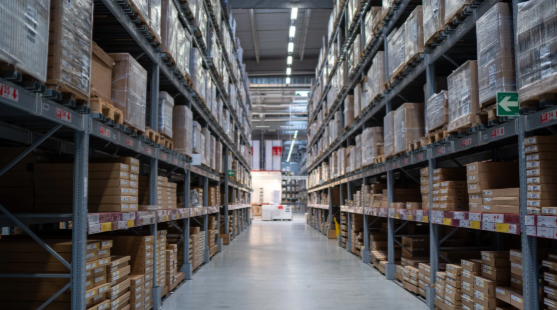
Safe material handling is a critical priority in any warehouse or distribution facility. Poor storage design can increase the risk of accidents, damaged inventory, and workflow disruptions. This is why many operations rely on industrial racking to create organized, stable, and predictable storage environments. When professionally planned and installed, industrial racking systems support safe movement, proper load distribution, and efficient handling throughout daily operations.
Creating Stable and Secure Storage Structures
One of the primary ways industrial racking improves safety is through structural stability. Properly engineered racking systems are designed to handle specific load capacities without shifting or collapsing.
Each rack component is selected based on weight requirements, product dimensions, and handling equipment. This precision ensures that materials remain securely stored, reducing the risk of falling items or rack failure during routine operations.
Improving Visibility and Accessibility
Clear visibility is essential for safe material handling. Industrial racking systems organize inventory in a way that allows workers and equipment operators to easily identify, access, and retrieve materials.
When products are stored in designated locations with consistent spacing, the risk of misplacement and unsafe reaching is reduced. Improved accessibility also helps prevent collisions between handling equipment and storage structures.
Supporting Controlled Equipment Movement
Forklifts and pallet jacks require predictable pathways to operate safely. Industrial racking layouts are designed with aisle widths and turning clearances that support smooth equipment movement.
This controlled flow reduces congestion and minimizes the chance of impacts that can damage racks or compromise stability. Well-planned racking layouts also help operators maintain better sightlines, improving reaction time and overall safety.
Reducing Manual Handling Risks
Improper storage often forces workers to manually lift or reposition materials, increasing the risk of strain and injury. Industrial racking systems are designed to work seamlessly with material handling equipment, reducing the need for excessive manual handling.
By positioning inventory at appropriate heights and locations, racking systems help minimize awkward lifting and repetitive movements. This ergonomic advantage plays a significant role in maintaining a safer workplace.
Encouraging Proper Load Distribution
Uneven or overloaded storage is a common safety concern in warehouses. Industrial racking systems are engineered to distribute weight evenly across beams and uprights, preventing localized stress points.
Understanding and choosing the right industrial racking system for your warehouse is essential because different products require different load configurations. Proper system selection ensures materials are supported correctly, reducing long-term wear and safety risks.
Enhancing Compliance and Safety Standards
Industrial racking systems are designed to align with established safety and performance standards. Proper installation includes anchoring, load labeling, and alignment checks that support compliance and safe operation.
These built-in safeguards help warehouses maintain consistent safety practices and reduce liability associated with improper storage conditions.
Minimizing Product Damage and Spills
Damaged inventory not only affects profitability but also creates safety hazards. Falling products, leaking containers, or unstable stacks can lead to slips, equipment damage, or blocked pathways.
Industrial racking systems keep products separated, elevated, and secured, minimizing the chance of accidental spills or collapses. This controlled storage environment supports both safety and inventory protection.
Supporting Predictable Workflows
Safe material handling relies on predictable processes. Industrial racking systems support standardized workflows by defining where and how materials are stored and moved.
This consistency helps workers anticipate movements, reduces confusion, and limits unexpected hazards. Clear storage logic also makes training more effective, reinforcing safe handling practices across the operation.
Long-Term Safety Through Professional Planning
The safety benefits of industrial racking depend heavily on professional design and installation. Experienced planners assess facility layout, handling methods, and product characteristics to create systems that support safe operations from day one. Ongoing inspections and maintenance further ensure that racking systems continue to perform safely as inventory and operational demands evolve.
Conclusion
Industrial racking plays a vital role in creating safe material handling environments. Through stable structures, improved accessibility, controlled workflows, and proper load support, these systems reduce risks while enhancing operational efficiency. When designed and implemented correctly, industrial racking provides a strong foundation for long-term safety and reliable warehouse performance.