
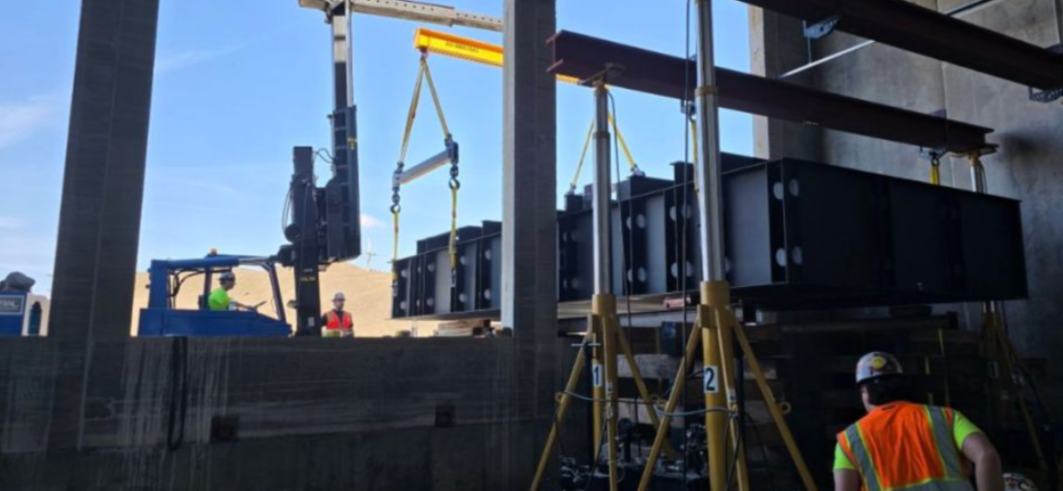
The physical installation of industrial machinery may be the most visible part of a project, but much of the important work happens before the equipment ever reaches the facility. Heavy equipment installation experts typically spend considerable time understanding the machine, assessing the site, planning its route, and coordinating with the other teams involved. Careful preparation can help prevent delays, unexpected access problems, and costly disruption once the delivery arrives.
For businesses, this early planning is especially important when equipment is large, heavy, unusually shaped, or destined for a facility that is already operating. A machine may be perfectly designed for its final location while still being extremely difficult to get there.
Understanding Exactly What Is Being Installed
Installation planning starts with the equipment itself. Teams need accurate information about dimensions, weight, lifting points, center of gravity, and any components that need special handling.
Manufacturer drawings and technical specifications can provide much of this information, but the installation team may also need to clarify how the machine will arrive. Will it be fully assembled, partially dismantled, or delivered in several sections? Are any parts particularly fragile? Does the equipment need to remain upright throughout handling?
These details determine which lifting and moving methods will be appropriate. Discovering them after the truck has arrived can create unnecessary delays.
Surveying the Site
The next question is whether the machinery can physically reach its intended location.
Installation teams may inspect loading areas, doors, corridors, ceiling heights, floor conditions, and the space surrounding the final position. Something as simple as a doorway being a few inches too narrow can completely change the plan.
Access is not only about dimensions. Floor loading also matters when moving extremely heavy equipment through an existing facility. Overhead pipes, electrical services, sprinkler systems, production equipment, and structural features may restrict which route can be used.
The shortest route is not necessarily the best one. A slightly longer path may provide more room to maneuver and reduce the need for temporary alterations.
Planning How the Equipment Will Move
Once the route is understood, the installation team can determine which equipment will be needed.
Depending on the project, this may involve cranes, forklifts, hydraulic gantries, machinery skates, jacks, dollies, or specialized rigging systems. Several different methods may be used during one installation.
A machine could be unloaded by crane, placed onto skates, moved through the building, raised with hydraulic equipment, and then lowered precisely onto its foundation.
The plan needs to account for every transition. Moving a machine across an open area may be relatively straightforward, while turning it through a restricted doorway can require much more careful control.
Thinking through those stages beforehand reduces improvisation once the equipment is on site.
Checking the Final Installation Area
Getting machinery into the building is only part of the job. The destination also needs to be ready.
Foundations, anchor points, floor surfaces, utility connections, and surrounding clearances may all need checking before installation begins. If the machinery must align with an existing production line, positioning can be particularly important.
A machine arriving before its foundation is ready creates an immediate problem. The business may then have to store the equipment temporarily or delay the installation team while other work is completed.
Confirming site readiness before delivery helps keep the project moving in the intended sequence.
Coordinating With Other Contractors
Large equipment installations rarely involve one team working alone.
Electricians, mechanical contractors, engineers, equipment manufacturers, transportation companies, plant personnel, and other specialists may all have responsibilities connected to the project. Their work often needs to happen in a particular order.
For example, electrical services may need to be isolated before machinery moves through part of the facility. A contractor may need to remove a section of wall temporarily. Engineers may need to approve a lifting point or confirm the capacity of a floor.
Good coordination prevents one team arriving ready to work while another essential task remains unfinished.
It also helps clarify who is responsible for each stage. That becomes increasingly important when several contractors are working within a tight installation window.
Planning Around Production
In an active industrial facility, installation work may have to take place without unnecessarily disrupting normal operations.
The installation team needs to understand which areas can be closed, when they can be closed, and how long the work is expected to take. Some projects may be scheduled during weekends, overnight periods, or planned shutdowns to reduce the impact on production.
Others may be divided into stages so that only one part of the facility is affected at a time.
This planning is particularly valuable when the new machinery is replacing existing equipment. The old machine may need to be disconnected and removed before the new one can enter, creating a narrow window in which the entire changeover must take place.
Preparing for Difficulties Before They Happen
Even well-planned installations can encounter surprises, particularly in older facilities where drawings may not perfectly reflect current conditions.
The purpose of preparation is not to predict every possible problem. It is to identify the most likely ones and make sure there are options available.
If the preferred access point cannot be used, is there another route? If a machine arrives slightly differently from the expected configuration, can the rigging plan be adjusted? Is temporary storage available if the installation area is unexpectedly delayed?
Having alternatives prevents relatively small issues from stopping the entire project.
The Installation Starts Before Delivery Day
When heavy machinery arrives and moves smoothly into position, it can make the installation itself appear straightforward. In reality, that simplicity is often the result of detailed preparation.
By the time the equipment reaches the site, the route should already have been assessed, the necessary lifting equipment selected, the final location prepared, and responsibilities coordinated between the different teams involved.
That preparation is particularly important for large or difficult machinery, where solving problems after delivery can be expensive and disruptive. The more that is understood beforehand, the less the installation team has to improvise while a valuable piece of equipment is already waiting to be moved.
For heavy industrial installations, delivery day is therefore not really the beginning of the project. It is the point at which all of the earlier planning starts being put into practice.